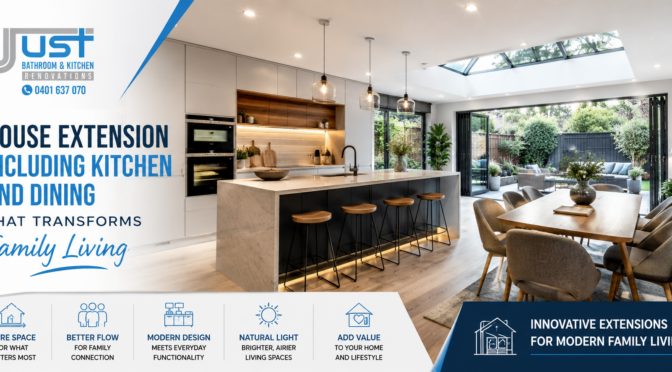
House Extension Including Kitchen and Dining That Transforms Family Living 

Who does not want spacious apartments? Modern families need more than just additional living space. They need smart solutions that will not only increase the size of their houses but also boost functionality and facilitate communication. One way to achieve all these goals is by adding an extension, including kitchen and dining rooms. In this case, you’ll get an extra space that will make your life better while also facilitating everyday interactions. A house extension including kitchen and dining is available in different options. 

When you are in search of unique home extension ideas, you have to keep in mind that adding an extension to your kitchen and dining room. In this case, you will get an extra space that can make your life better and more functional.      

Why Do Homeowners Go for Kitchen and Dining Extensions?

In today’s world, the kitchen plays many roles, not just as a place to cook. It’s the place where everyone gathers, where children do their homework, and where friends and relatives meet during various celebrations. Allowing the kitchen and dining rooms to blend into one place ensures you get the most out of both spaces. Creative house extension ideas for modern homes can be looked at. 

Know about Open-Plan Living 

An interesting trend currently taking the world by storm in renovation circles is that of an open floor plan. The removal of partitions between the kitchen, dining area, and living room produces a bright and airy atmosphere.

The open floor plan design allows for easy interaction within the house since different tasks can be done without hindrance. Parents can cook while keeping an eye on their children, and guests can interact in comfort.

Some essential characteristics of successful open plan kitchens and dining rooms include:

  • A large kitchen island
  • Flexibility of seating arrangement
  • Continual flooring throughout the room
  • Zoned lighting
  • Innovative storage spaces
  • Sliding and bi-fold doors

Innovative House Extension Ideas for Modern Homes 

For a kitchen and dining extension design, creativity can allow you to achieve maximum effect when it comes to both space and modernity in appearance. Homeowners look for innovative solutions in order to combine practicality and modernism.

Creative Ideas for House Extensions

Why not delve into some creative house extension ideas? 

1. Glass-Walled Kitchen and Dining Extensions

Modern house extensions often use glass walls, which make the interior visually spacious by bringing the outdoors inside and maximizing natural illumination.

Advantages of glass-walled extensions include:

  • Increased lightness of the interior
  • A feeling of unity with the outside area
  • Contemporary appearance
  • Energetic-efficient glass solutions

Extensions made from glass will add extra size and visual comfort even to small kitchens.

2. High Ceilings

Sometimes it may be important to increase not just the area of the room but its height as well. High ceilings can make kitchens and dining rooms more spacious and luxurious. High ceilings combined with skylights or roof lights provide a feeling of increased natural illumination.

3. Indoor-outdoor Kitchen and Dining Areas

Modern kitchen and dining extensions are often designed to unite indoor and outdoor living areas.

4. Wraparound Extensions

Wraparound extensions combine side and rear additions to create substantial new living areas. This option is particularly effective for homeowners seeking extensive custom home extensions that completely reimagine the ground floor layout. Wraparound designs provide flexibility for larger kitchens, dining zones, utility rooms, and family spaces within a unified design.

How to Design a Custom Home Extension? 

Family spaces need to strike the right balance between beauty and functionality. The kitchen and dining room extensions you add to your home need to make your life easier but without sacrificing good looks.

Some considerations when designing your extension include:

Storage

Nothing can ruin an otherwise lovely kitchen like clutter. Make sure that you have ample built-in cabinetry, pantries, secret storage spaces, and multi-functional pieces of furniture in place to keep everything tidy.

Materials

Families will be using these spaces regularly, so choose sturdy materials. This might mean opting for quartz countertops and floors that are easy to clean and last long.

Dining

Your dining room needs to fit your lifestyle. Choose extendable tables and banquette seating to make it work for you, no matter how many people you need to seat.

Kid-Friendly

Rounded corners, non-slip flooring, and open layouts will allow you to easily oversee young children.

What Are the Benefits of Custom Home Extensions?

Each home has its own set of demands, which explains why custom additions are gaining more popularity each day. The homeowners have the option of making the design fit perfectly with what they need.

Some of the aspects of custom design include:

  • Tailored kitchens
  • Work from home spaces
  • Areas for eating
  • Seating areas
  • Storage areas
  • Lighting designs

It is also easy for one to customize the extension by working with experienced architects and designers.

Renovation Ideas that Maximize Impact

The creation of the kitchen and dining extension may be accompanied by an improvement in other rooms of the house. There are several renovation ideas that could be used to make the project more efficient.

Install Layered Lighting

The combination of various types of lighting (task lighting, pendant light, recessed lighting, and accent lighting) will contribute to the functionality of your room. It will help you to differentiate between zones of the space.

Enhance Energy Efficiency

With the construction of an extension, there is an opportunity to upgrade windows, enhance insulation, and replace household appliances with new energy-saving models.

Use Natural Materials

Natural materials such as wood and stone will bring warmth and coziness to your home interior. They are very effective in complementing modern finishing elements.

Install Roof Lanterns

Roof lanterns are common elements in the design of modern houses. They provide additional daylight to the dining and kitchen areas.

Increasing Your Property Value through Home Extensions 

Another reason for investing in an extension is the possibility of increasing the value of your property. A properly designed addition to the house with a focus on the kitchen and dining areas would be very popular with future buyers since this is the feature desired in contemporary real estate. 

Extensions of this kind could provide the following benefits to you:

  • Improved curb appeal
  • Higher functionality of the property
  • Added living space
  • Updated layout
  • Increased resale value

Although the specifics may vary depending on the type of property, such an extension should bring substantial gains in terms of investments.

Homes Should Be Close to Your Heart 

Family members grow up, change jobs, and adjust to new life conditions. It is very important that a home also changes with its owners. This is where a proper extension can become helpful.

Modern houses are designed to have multi-functional rooms. They can be used not only as dining halls but also for remote working, hosting guests, and even as a place to rest. All these options make the house very convenient and satisfying for a long time.

Some other future-oriented elements may be as follows:

  • Smart-home technologies
  • Flexibility in room designs
  • Energy efficiency
  • Eco-friendly construction materials
  • Design for accessible use

Conclusion

You have to make sure that your home is functional and comfortable. You can also make sure that there are some relevant and useful home and kitchen extensions to make your space more functional. A kitchen and dining room house extension is capable of changing the entire feel of your family’s living conditions by providing a much larger, more practical, and comfortable setting. From inspiring ideas for your modern house extension or custom home extension to new renovations that you never thought of before, there are many options that can improve your daily life immensely. Just Bathroom and Kitchen Renovations can offer you the best extensions that increase your home’s functionality. 

From adopting an open concept design plan and making use of as much natural light as possible, to designing a home extension that fits perfectly with the needs of your family, there are ways in which you can improve your home. One of the best home extensions that you could have would be a kitchen and dining room extension. An open-plan living can be beautifully enjoyed with proper expertise and artistry. 

FAQS

What is a kitchen and dining extension?

A kitchen and dining extension is a home improvement project that expands the existing kitchen and dining areas to create a larger, more functional living space. It often incorporates open-plan living concepts and modern design features.

How much value can a kitchen and dining extension add to a property?

A well-designed kitchen and dining extension can significantly increase a property’s value by improving functionality, adding usable space, and enhancing the overall appeal of the home to potential buyers.

Are open-plan kitchen and dining extensions suitable for families?

Yes. Open-plan living is ideal for families because it allows better interaction between family members, improves visibility, and creates a flexible space for cooking, dining, entertaining, and everyday activities.

What are some creative house extension ideas for modern homes?

Popular creative house extension ideas for modern homes include glass-walled extensions, wraparound extensions, vaulted ceilings, indoor-outdoor living spaces, roof lanterns, and large kitchen islands.

How long does it take to complete a kitchen and dining extension?

The timeline depends on the size and complexity of the project. Most kitchen and dining extensions can take anywhere from several weeks to a few months, including planning, approvals, and construction.
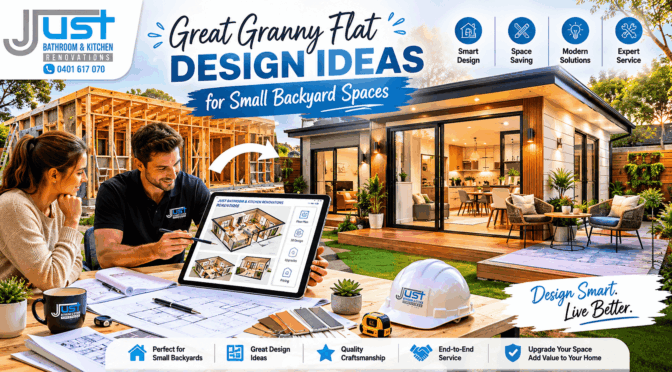
Great Granny Flat Design Ideas for Small Backyard Spaces

You have already heard about granny flats in Sydney, right? A granny flat renovation is a great solution, whether you live with your family members or just want to increase your property’s value. Nowadays, it is a very trendy choice for homeowners and other areas. For homeowners who are in search of versatile solutions, granny flats also work as accessory dwelling units, where you can find an excellent way to get stylish and highly functional living spaces without sacrificing yard space. Suppose you have a small backyard and are in search of granny flat design ideas for small backyards. Stay on this page to get some innovative solutions that sound most practical. Let’s delve deeper into some innovative designs, strategies, and tips. Understanding the benefits that you can fetch from compact backyard homes design is important for creating a space that is appealing and also functional. 

Do You Know What Is a Granny Flat?

A granny flat is a living space built within or adjacent to a main residence. These are open found in the backyard. These require compact designs which can accommodate guests and work as rental units or even private workspaces as well. You can also go for granny flat renovations. 

Why Choose a Granny Flat in Small Backyards?

You can choose a granny flat because of its

  •  Maximization of property value
  •  Creation of additional income ways
  •  Its ability to provide for your ageing parents or adult children
  • The utilization of unused backward areas

Issues of Small Backyard Granny Flat Design

There are some challenges associated with small backyard granny flat designs-

  •  Small space for large structures
  •  Zoning and permit-related restrictions
  •  Previous year composition within a small footprint
  •  Balance of visual appeal with functionality

Some Outstanding Smart Granny Flat Design Ideas for Small Backyards

Want to know about some excellent granny flat design ideas for small backyard? 

1. Try for Minimalist and Compact Designs 

If you focus on compact granny flat designs that highlight essential features without overcrowding, it will be great. Open floor plans can be great, which can maximize your space and accommodate multi-functional furniture for small backyard homes. 

2. Vertical Space Utilization

The space should be used vertically. You can incorporate lofted bedrooms, elevated platforms, or vertical storage, which can free up your floor space. You can see a mezzanine sleeping area in a small granny flat, which can leave the ground floor for living or work spaces. 

3. Use of Sliding and Fold-away Doors

Traditional swinging doors can eat up your space. Install sliding doors or fold-away options to free up space and ensure seamless transitions. These can also prevent obstruction in tight areas.  

4. Natural Light and Outdoor-Indoor Flow

 A close connection to nature keeps you happy and healthy. Accommodate natural light with the use of large and energy-efficient windows and glass doors. Outdoor patios or decks as extensions of the living space can make the indoor-outdoor transition easier. 

5. Use of Eco-Friendly Materials

In the case of small backyard designs, sustainable choices can make a big difference. We should always look for eco-friendly choices that can lower the environmental impact. Eco-conscious choices make a big difference. Eco-friendly granny flat design and materials like reclaimed wood, insulated panels, and energy-efficient appliances can reduce environmental impact.  

6. Multi-Purpose Rooms and Flexibility of Spaces

Rooms should be designed in a way that can serve multiple purposes, like a combined kitchen and living area or a home office that can also work as a guest bedroom. You should understand that flexibility is very important for compact backyard granny flats. 

7. Smart Technology Usage

Here you can integrate smart home attributes like automatic lighting, climate control, and security, so that without compromising your space, you can get the best comfort. You can use remotely controllable apps, so that you can manage systems more efficiently in close-quarters setups. 

Practical Tips for Designing Your Small Backyard Granny Flat

Follow these tips for designing your small backyard granny flat. 

  • Hire a professional designer who can optimise your layout and functionality. 
  • You have to focus on energy efficiency to reduce the overall cost. 
  • Prioritizing outdoor integration is important. Small decks, patios, or garden beds enhance aesthetic appeal.
  • You have to incorporate smart home technology for appliance management and security. 
  • You can choose versatile furniture such as foldable beds or extendable tables to make the most out of the space. 

Common Mistakes and Misconceptions When Designing Small Backyard Granny Flats

There are some misconceptions about small backyard granny flats which you need to get rid of.  

1. Underestimating Your Space Requirements 

 There are many homeowners who tend to underestimate their ability to function well in a small space, as they cannot accurately determine the size and number of spaces, which results in uncomfortable living environments. When designing your granny unit, always leave adequate space for people and things to move freely, basic supplies and equipment (e.g., food, or any necessary equipment for daily living), and basic amenities (e.g., shower, toilet, sink, etc.). Even when you are doing a granny flat renovation, the space management remains important. 

2. Failure to Plan for Privacy and Noise Control

Despite this being a common misconception among homeowners, failure to include noise reduction means you risk discomfort for your tenants as well as your neighbours. Use landscaping or a fence to create barriers between your granny unit and your neighbours’ properties, thereby minimising sound problems.  

3. Neglecting Natural Light and Ventilation

If the case is that your granny flat is extremely small, and it lacks light or air, you can definitely feel enclosed and uncomfortable. Look for tiny house backyard designs to serve your needs. You have to maximise light resources through your windows, skylights, and other openings if you want to let natural light. Additionally, be sure to provide plenty of ventilation for air circulation and to create an enjoyable climate for living.  

Conclusion: Transforming Small Backyards into Functional, Stylish Living Spaces

Creating a granny flat in your small backyard leaves you with both a challenge and an opportunity. By creating thoughtful design, you can turn your backyard space into a beautifully finished, functional and adaptable space.

A focus on compact space design principles, use of vertical space and the inclusion of eco-consciously designed features are the cornerstones of creating a successful granny flat. If you hire a qualified architect or designer, you will be able to avoid the most common mistakes and follow their lead in building a granny flat. You will create more than just an accessory dwelling. To find granny flat design ideas for a small backyard, stay tuned here and consult with her designer or builder who has relevant expertise in accessory dwellings. 

FAQS

What are the best granny flat design ideas for small backyard spaces?  

The best granny flat designs will maximize available vertical space; integrate multi-use furniture; and utilize natural light to create the illusion of open space in small areas. Other features to consider are lofted bedrooms, pocket or sliding doors, and outdoor extensions of living space. You should also consider using eco-friendly granny flat design and materials and incorporating smart technology features for energy-efficient and comfortable living. 

What is the typical cost of constructing a granny flat in a small backyard? 

Prices vary significantly and depend on many factors, including the size of the structure and its degree of complexity or uniqueness, the type of materials to be used for both interior and exterior surfaces, and where the materials are sourced (local or imported). A basic granny flat to fit into a small backyard can typically run between $50,000 and $150,000 CAD. If you choose to create a custom-designed/granny floored flat, the cost is even higher. 

Are there any zoning or legal restrictions regarding the construction of granny flats in small backyards? 

Yes, different local governments impose different zoning requirements, and they could also have different building codes regarding construction. Oftentimes, in order to build a granny flat in an area, you must comply with current zoning and/or building code regulations. 

Can I incorporate green/sustainable features into a granny flat? 

Absolutely! Solar panels, highly energy-efficient insulation, rainwater harvesting systems, and sustainable building materials can provide many benefits to both the environment and the building’s operational costs over time. 

Which are the best granny flat construction companies in area?

Just Bathroom and Kitchen is a trusted partner who can offer you the best granny flat with the most functional features and safety. 

What are some typical errors made when designing a granny flat for a small backyard?

Some common mistakes include making the space too crowded or not having enough privacy, not allowing enough natural and artificial lighting, not properly providing for ventilation, or using low-quality building materials.

How to Plan a Home Extension Without Costly Mistakes

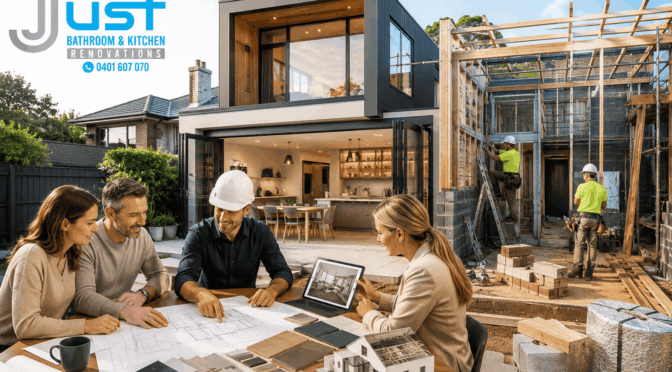
Planning extra space in your home can be exciting, but it can also become overwhelming without the right preparation. Many homeowners begin with a clear vision only to face delays, budget overruns, design problems, or approval issues later in the process. Understanding how to plan a home extension properly can save time, money, and unnecessary stress.

Whether you are adding a larger kitchen, extending your living room, building an extra bedroom, or improving functionality for a growing family, thoughtful planning matters. Working with experienced professionals like Just Bathroom & Kitchen Renovations helps homeowners avoid common mistakes while ensuring projects remain practical, compliant, and visually appealing.

A successful extension is not only about adding square metres. It is about creating a comfortable, functional, and valuable living environment that suits long-term needs.

Understanding Your Goals Before Starting

Before hiring contractors or requesting quotes, define exactly why you want the extension.

Ask yourself:

  • Do you need more living space?
  • Is the extension intended to improve resale value?
  • Are you planning for a growing family?
  • Do you want better natural lighting or improved functionality?
  • Will the extension support future lifestyle changes?

Clearly identifying your goals makes decision-making easier throughout the project.

Planning Approval and Local Regulations

Most people overlook rules set by local authorities when starting home projects. Whether permits are needed often comes down to how big the job is, where it sits geographically. Starting without checking can lead straight into trouble.

Common considerations include:

  • Property boundaries
  • Building height restrictions
  • Heritage overlays
  • Structural changes
  • Drainage requirements
  • Neighbouring property impact

Failing to secure approvals can result in fines, delays, or forced modifications after construction begins.

Professionals experienced in planning approval processes can help simplify documentation, council communication, and permit applications.

Understanding Building Permits

Building permits ensure the extension complies with safety and construction regulations. These permits cover structural integrity, electrical work, plumbing systems, ventilation, and fire safety. Many homeowners confuse planning approvals with building permits, but they are separate requirements.

Understanding home extension building permit requirements early helps avoid project interruptions later. Experienced renovation teams typically coordinate with surveyors, engineers, and inspectors to ensure compliance throughout construction.

Setting a Realistic Budget

Budgeting mistakes are among the most common problems during renovation projects.

Many homeowners focus only on construction costs while overlooking additional expenses such as:

  • Design fees
  • Permit costs
  • Engineering reports
  • Site preparation
  • Material upgrades
  • Temporary accommodation
  • Unexpected structural issues

A realistic budget should also include a contingency fund. Renovation professionals often recommend allocating an additional 10–20% for unforeseen expenses.

Just Bathroom & Kitchen Renovations helps clients understand realistic pricing expectations before work begins, reducing the risk of financial surprises.

Choosing the Right Design for Your Lifestyle

Functional Home Extensions

A beautiful extension means little if the space does not function properly.

When planning home extensions, focus on:

  • Traffic flow between rooms
  • Natural lighting
  • Ventilation
  • Storage requirements
  • Energy efficiency
  • Furniture placement

For example, extending a kitchen without considering storage or appliance placement often creates future frustrations.

Practical design decisions improve daily comfort while increasing long-term property value.

Matching Existing Architecture

Poorly designed extensions can appear disconnected from the original property. Consistency in materials, colours, roofing, and finishes creates a more cohesive appearance.

Experienced designers and builders ensure new additions blend naturally with the existing structure while still modernising the property.

This attention to detail is one reason many homeowners rely on Just Bathroom & Kitchen Renovations for tailored renovation solutions.

Home Renovation Challenges Homeowners Often Overlook

Structural Limitations

Not every property can support every extension idea. Existing foundations, rooflines, plumbing systems, or load-bearing walls may require major modifications.

Unexpected structural issues are common in older homes. Professional inspections before construction help identify limitations early.

Utility Relocation Costs

Extending kitchens, bathrooms, or laundry areas often requires relocating plumbing, electrical wiring, and gas lines. These changes can significantly affect costs and timelines.

Experienced contractors assess these requirements during the planning stage to prevent costly redesigns later.

Living Through Construction

Many homeowners underestimate how disruptive renovations can become. Noise, dust, restricted room access, temporary utility shutdowns, and schedule delays can affect daily life for weeks or months.

Planning temporary arrangements in advance helps reduce stress during construction.

Home Extension Services That Simplify the Process

Reliable home extension services provide more than construction labour. Experienced professionals help coordinate the entire project from concept to completion.

Comprehensive services often include:

  • Site assessments
  • Concept design
  • Permit assistance
  • Engineering coordination
  • Material selection
  • Project scheduling
  • Construction management
  • Final inspections

Working with one experienced team reduces communication problems between multiple contractors and helps maintain consistency throughout the project.

Just Bathroom & Kitchen Renovations focuses on streamlined project management, helping homeowners stay informed during every stage of construction.

Common Mistakes Homeowners Make During Extensions

  1. Starting Without Detailed Plans

Some homeowners begin work using rough sketches or incomplete designs. This often causes confusion, rework, and unexpected expenses later. Detailed plans minimise misunderstandings and improve project efficiency.

  1. Choosing Contractors Based Only on Price

The cheapest quote is not always the best value. Low pricing may reflect poor workmanship, hidden costs, or lack of experience. Experienced contractors provide transparent pricing, realistic timelines, and quality workmanship that reduces long-term problems.

  1. Ignoring Future Needs

Short-term thinking can limit the usefulness of the extension later. Consider future family growth, resale value, accessibility needs, and lifestyle changes during planning.

  1. Changing Designs Mid-Project

Frequent changes during construction are one of the biggest causes of delays and budget overruns. Finalising layouts, materials, and finishes before construction begins helps maintain efficiency.

Building Permits and Documentation Matter

Why Documentation Is Essential

Accurate documentation protects homeowners throughout the project.

Important records include:

  • Signed contracts
  • Permit approvals
  • Engineering reports
  • Material specifications
  • Payment schedules
  • Warranty information

Well-organised documentation helps prevent disputes while ensuring legal compliance.

Communication With Contractors

Clear communication reduces misunderstandings and project delays.

Regular updates regarding:

  • Timeline changes
  • Material availability
  • Budget adjustments
  • Inspection schedules

help homeowners stay informed throughout construction.

Professional renovation companies prioritise transparent communication to improve project outcomes.

The Importance of Professional Guidance

Many homeowners attempt to manage extensions independently to reduce costs. However, inexperience often leads to planning errors, poor scheduling, and unexpected complications.

Professional renovation teams provide valuable guidance regarding:

  • Design practicality
  • Structural feasibility
  • Cost management
  • Material selection
  • Permit compliance
  • Construction sequencing

Just Bathroom & Kitchen Renovations works closely with homeowners to create extensions that balance functionality, aesthetics, and budget considerations effectively.

Signs You Need Professional Home Extension Support

You may benefit from expert assistance if:

  • You are unsure about permit requirements
  • Your project involves structural changes
  • You need plumbing or electrical relocation
  • Budget planning feels overwhelming
  • Multiple contractors are required
  • You want cohesive design integration

Professional oversight helps reduce stress while improving overall project quality.

Smart Planning Creates Better Results

Understanding how to plan a home extension properly allows homeowners to avoid expensive mistakes and unnecessary frustration. Successful projects depend on careful preparation, realistic budgeting, experienced contractors, and clear communication from the beginning.

From securing approvals to managing timelines and selecting quality materials, every stage plays a critical role in the final result. Thoughtful planning not only improves living space but also increases comfort, functionality, and long-term property value.

Just Bathroom & Kitchen Renovations continues helping homeowners create practical, attractive, and professionally managed extensions tailored to their lifestyle needs and future goals.

FAQs

  1. Do all home extensions require council approval?

Many projects require approvals, especially structural changes, boundary adjustments, or significant additions affecting surrounding properties.

  1. How long does a typical home extension project take?

Most home extensions take several weeks to months depending on design complexity, permits, and construction scope.

  1. What is the biggest mistake homeowners make during extensions?

Starting construction without detailed planning and realistic budgeting often causes delays, stress, and unexpected additional expenses.

  1. How can homeowners reduce extension costs without compromising quality?

Careful planning, practical designs, and choosing experienced contractors help minimise unnecessary spending and costly project errors.

  1. Why are building permits important for home extensions?

Building permits ensure construction meets safety regulations, structural standards, and local legal compliance requirements properly.